Lay the route
Track and roads follow the hills, rivers are crossed by bridge, barriers drop at level crossings. Stations can have several platforms, and a curve can be placed exactly where you want it — not where the game decided.
It all starts with a single line between two towns. What kind of empire it grows into is up to you: commuter trains, freight running from the mine to the works, or an air bridge across half the map.
Track and roads follow the hills, rivers are crossed by bridge, barriers drop at level crossings. Stations can have several platforms, and a curve can be placed exactly where you want it — not where the game decided.
Passengers, mail, coal, timber, grain, goods and food. Every cargo has its temper: perishables hate a slow trip, bulk doesn't mind. Set the route, pick full-load or not, edit the consist — and the line starts earning.
Towns grow, factories want raw materials, the seasons swing the rates, and a storm tears up your track and starts fires. Vehicles age and ask for the depot. An empire isn't built once — it's kept from stalling.
Signals, one-way blocks, passing loops on single track, stations with two to four platforms, three kinds of bridge, and depots. Trains sort themselves out — if you placed the signals right.
Production chains, seasonal rates, booms and slumps, fleet upkeep, fuel, scheduled servicing, insurance and ageing stock. Every vehicle keeps its own day-by-day report.
Weather slows traffic down, storms rip up the trackbed, and towns catch fire — with real fire crews rolling out to meet it. A broken section is repaired by a gang, and the repair costs money.
Take the driver's seat of a locomotive or the cockpit of an airliner and run your own route. Or step down into the street and walk the town that grew around your station.
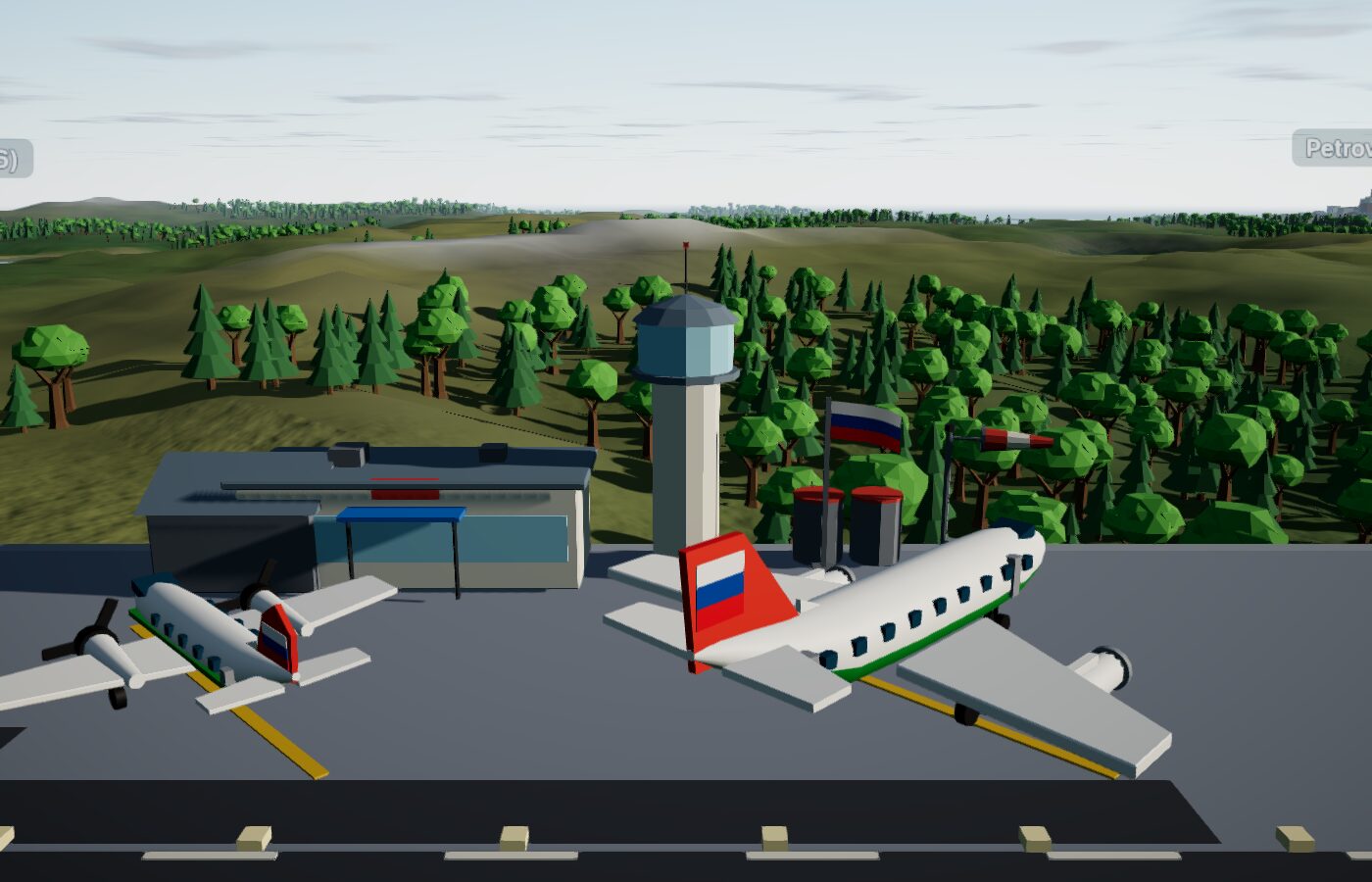
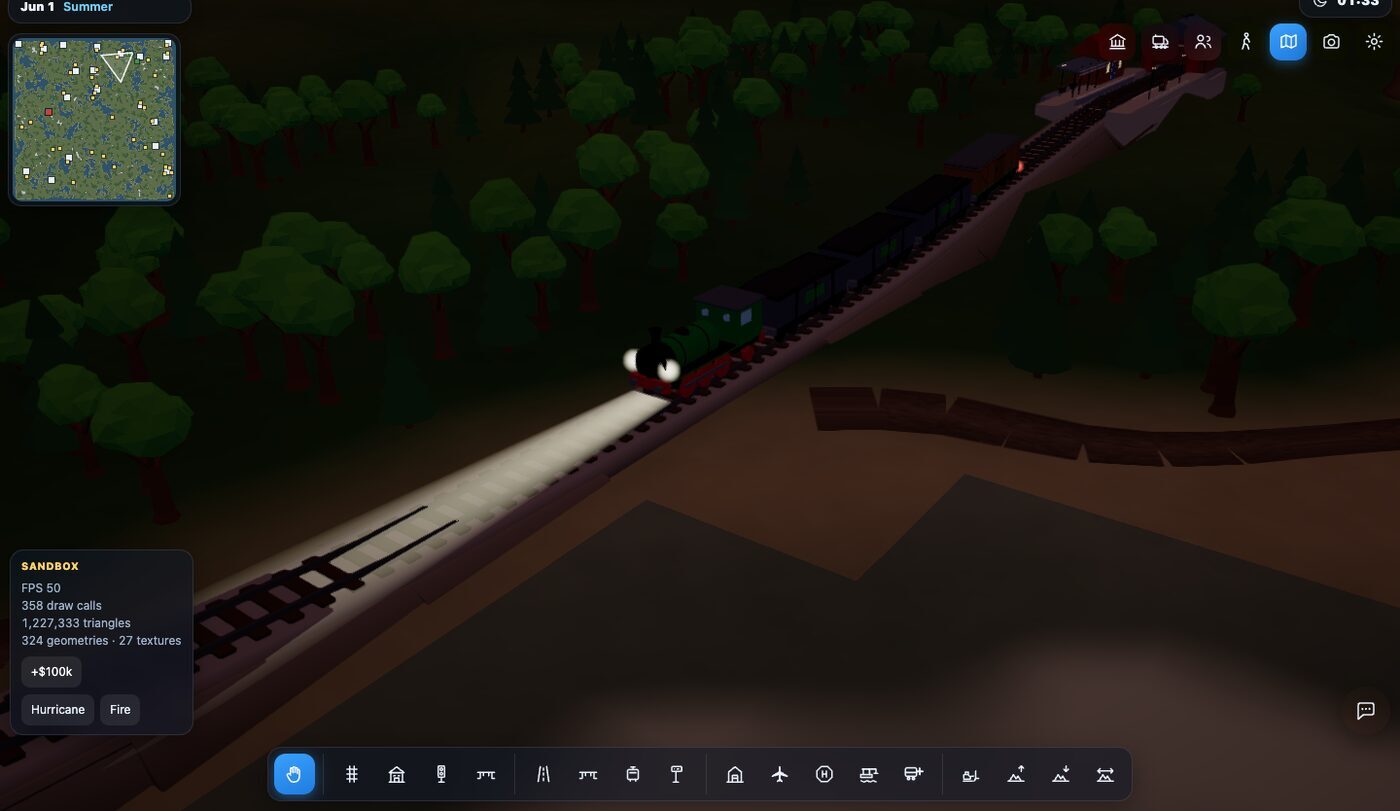
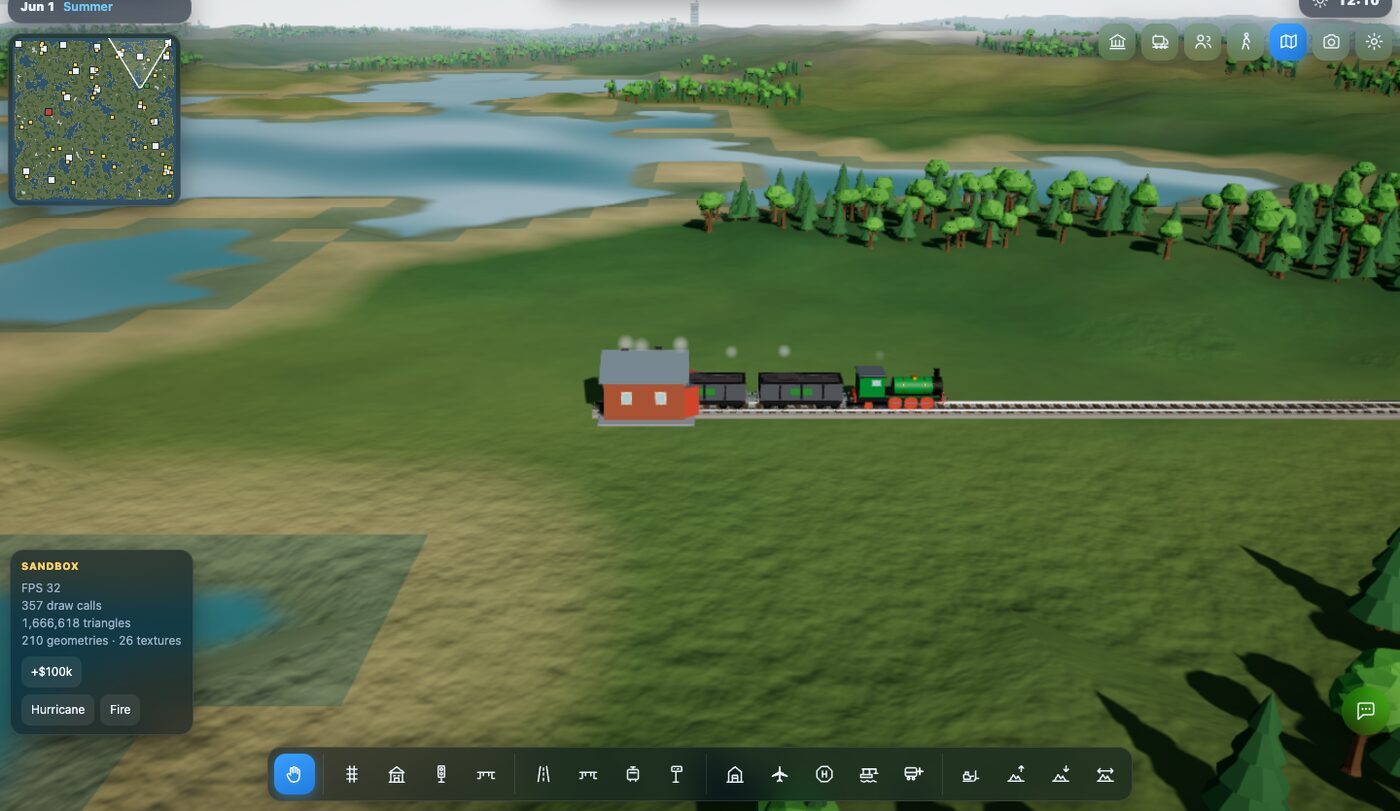
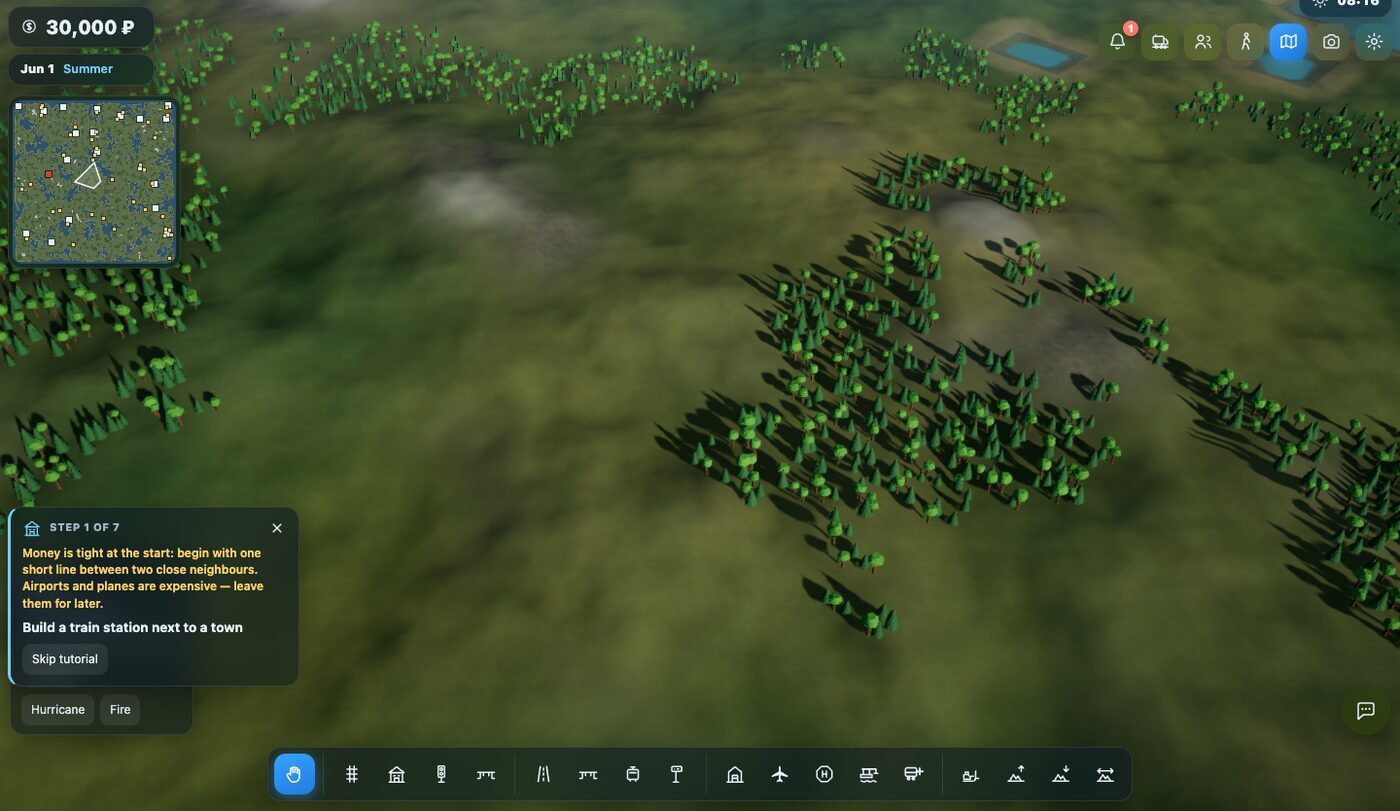
Shots and clips shared by the players themselves.